

Terre di Traiano is an eco-sustainable agritourism in Puglia that has been converted into a hospitality facility with accommodations, kitchens, and tasting rooms.
OUR HISTORY
1700
By the late Eighteenth century, the Spagnoletti Zeuli family—administrators for the Duke of Carafa of Andria—already owned vast tracts of land along the Via Traiana. These lands were crossed by flocks coming from the Dogana delle Pecore of Foggia on their way to the sheepfolds, known as poste, of Andria.
1800
During the Nineteenth century, these lands gradually expanded and were turned into olive groves, vineyards, and almond orchards by later generations. After the Unification of Italy, the properties were further developed with the construction of a traditional masseria, complete with a small chapel, stables, granaries, and storage buildings. The largest estate, located in the Torre di Bocca area, also featured large water cisterns.
2004
In 2004, the newest generation stepped in, opening the estate to agritourism. With a strong focus on quality and sustainability, organic practices were introduced for both vineyards and olive trees, while the hospitality side of the business continued to grow along with the agricultural production.
THE SPAGNOLETTI ZEULI FAMILY
The careful restoration of the building, begun in 1999—one hundred years after its original inauguration—was carried out by Ascanio, Nicola and Emanuela Spagnoletti Zeuli. They gradually transformed the old working spaces into areas for accommodations, events, and exhibitions, highlighting the original forms through the use of materials, while equipping the complex with every modern comfort. More than just an agritourism in Puglia, it stands as an example of an eco-friendly structure that respects local tradition.
THE SPAGNOLETTI ZEULI FAMILY
The careful restoration of the building, begun in 1999—one hundred years after its original inauguration—was carried out by Ascanio, Nicola and Emanuela Spagnoletti Zeuli. They gradually transformed the old working spaces into areas for accommodations, events, and exhibitions, highlighting the original forms through the use of materials, while equipping the complex with every modern comfort. More than just an agritourism in Puglia, it stands as an example of an eco-friendly structure that respects local tradition.
The masseria is located on the edge of the Alta Murgia National Park. From its terrace, visitors can enjoy views of Castel del Monte, the Gulf of Manfredonia, and the Gargano, the mountain shielding the region from cold winds.
The masseria is located on the edge of the Alta Murgia National Park. From its terrace, visitors can enjoy views of Castel del Monte, the Gulf of Manfredonia, and the Gargano, the mountain shielding the region from cold winds.
ABOUT US


NATURE
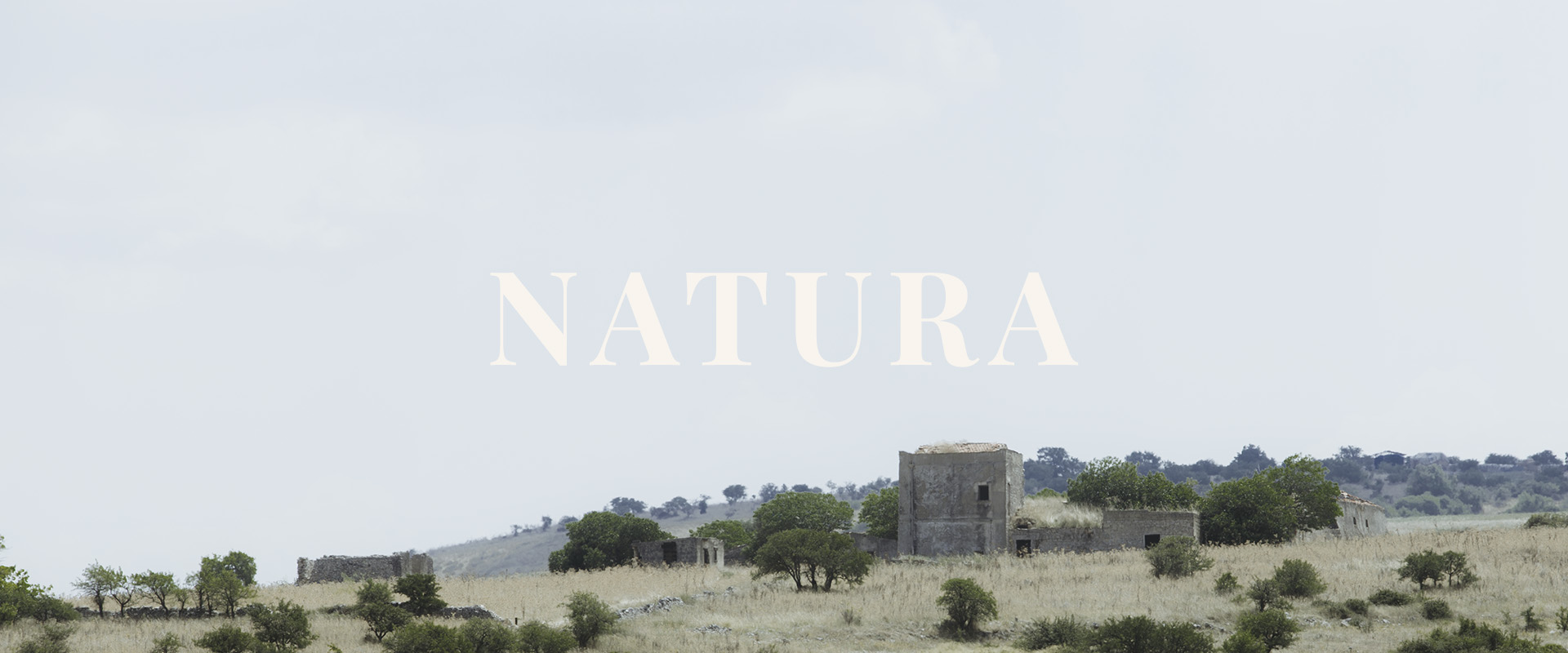
The landscape surrounding the masseria is rich in human-made features, such as the small stone structures reminiscent of the seasonal livestock migrations between Abruzzo and Molise, as well as natural elements that change in tone with the shifting light and the passing of the seasons.
ARCHITECTURE
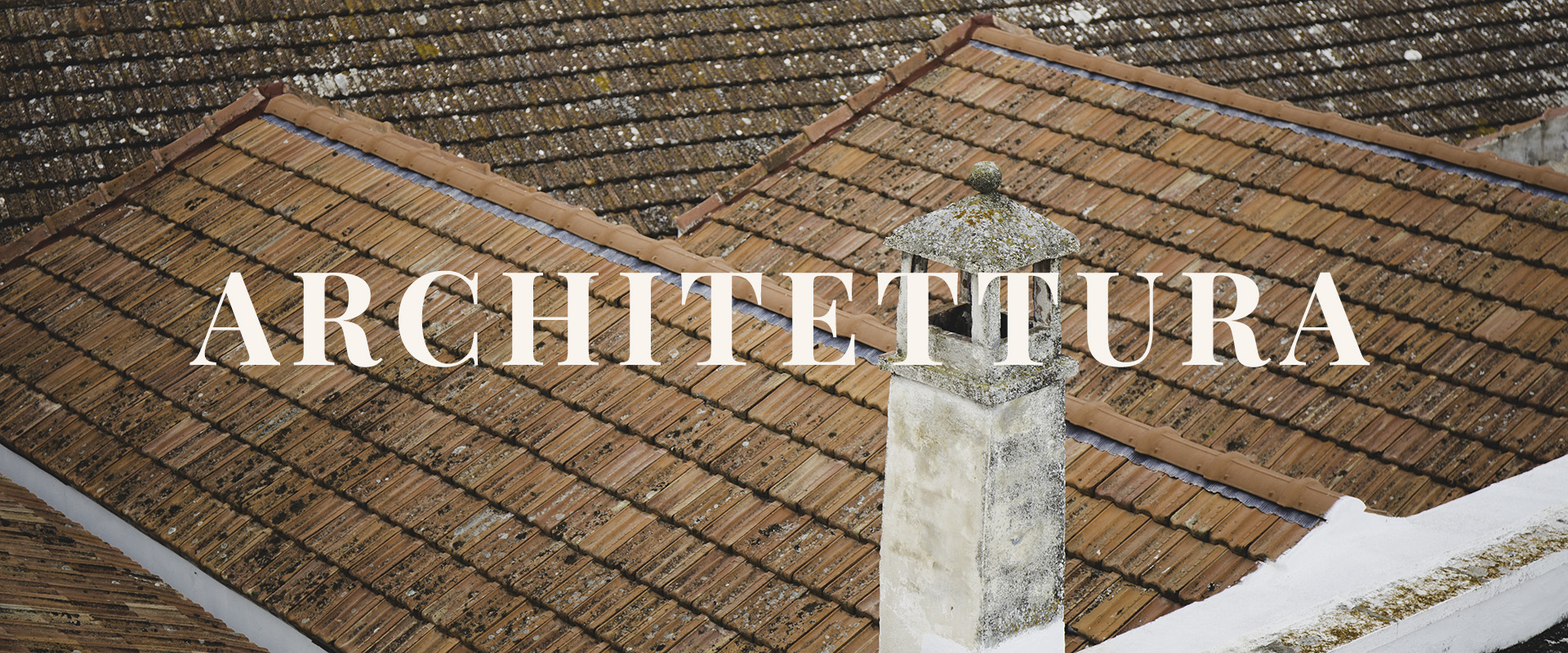
The masseria is a unique example of fortified rural architecture designed by the Neapolitan architect Vincenzo Latilla at the end of the Nineteenth century. Particular attention was given to the Neoclassical preservation and to the symmetrical layout of the spaces.
ROOMS
The eco-agritourism is open from March to November, including holiday periods, and offers rooms of approximately 12 sq.m. with private bathrooms, showers, and views of the courtyard or of the olive grove.

ROOMS
The eco-agritourism is open from March to November, including holiday periods, and offers rooms of approximately 12 sq.m. with private bathrooms, showers, and views of the courtyard or of the olive grove.